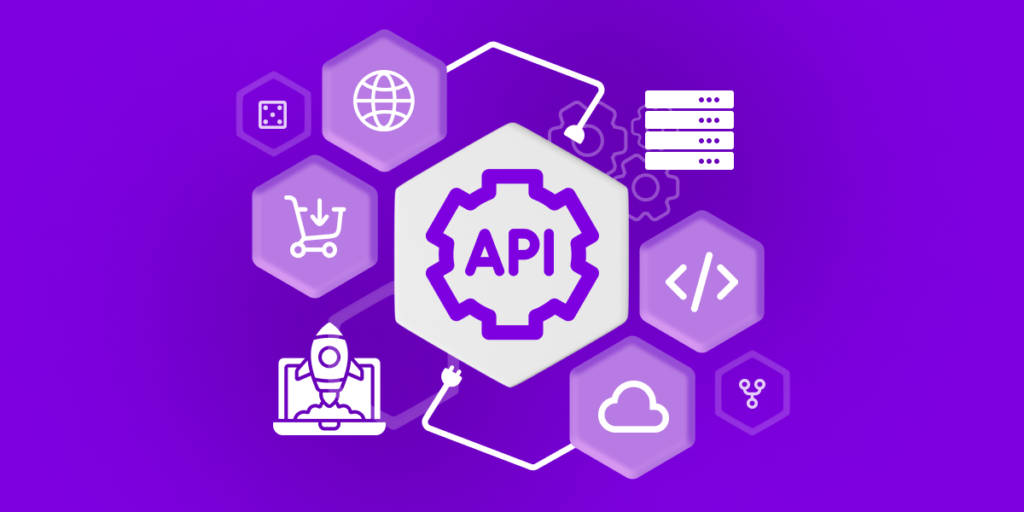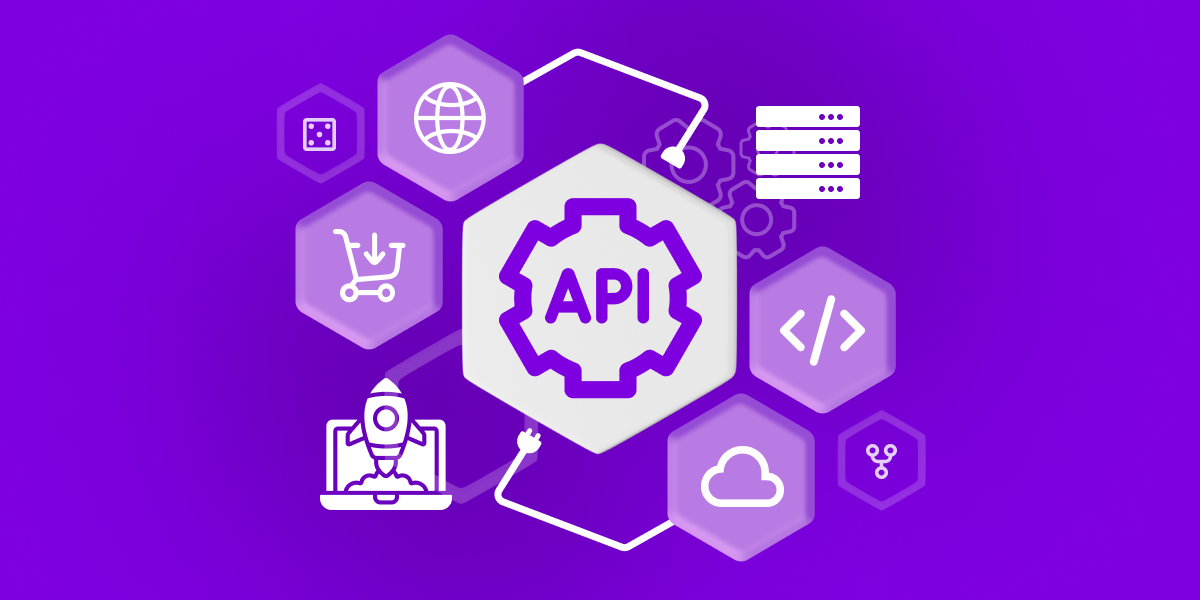
A live casino API provider is essentially the middle layer between a casino platform and the live games players interact with. Instead of a casino building studios, hiring dealers, and developing streaming systems from scratch, it connects to an existing infrastructure through APIs and starts offering live dealer games almost immediately.
In practical terms, this means blackjack tables, roulette wheels, and baccarat rooms streamed in real time from professional studios directly into a website or app. The provider handles everything happening behind the scenes—video, bets, game rules, and result synchronization.
How Integration Really Works (Without the Buzzwords)
When a casino integrates a live casino api, developers don’t manually build game logic or video pipelines. Instead, they connect to endpoints that handle specific functions:
- Player authentication
- Wallet and balance updates
- Game session creation
- Betting events and results
- Live video streaming synchronization
Most modern providers offer REST or WebSocket-based integration, which allows real-time communication between the casino platform and the game server. The result is a smooth experience where every chip placed or card dealt is instantly reflected for all players at the table.
Why Casinos Rely on Live Casino API Providers
Building a live casino ecosystem internally is expensive and slow. You would need studios, dealers, engineers, streaming infrastructure, and regulatory approvals in multiple jurisdictions.
A live casino api provider removes most of that burden. Operators get:
- Ready-made live dealer studios
- Pre-tested game logic (no need to reinvent rules)
- Scalable infrastructure for traffic spikes
- Compliance support in regulated markets
- Multi-device compatibility (desktop, mobile, apps)
This is why even large platforms often prefer integration over in-house development.
What Makes a Good Live Casino API
Not all providers are equal. The quality of integration depends heavily on technical execution and gaming experience.
Key things that matter in real use:
Low latency streaming – If the delay is noticeable, the game feels broken.
Stable synchronization – Bets and results must match the live video exactly.
Game variety – Not just roulette and blackjack, but also game shows and regional variants.
Clear documentation – Developers should be able to integrate without guessing.
Scalable architecture – Traffic spikes during peak hours should not crash tables.
A strong live casino api provider focuses just as much on backend reliability as on visual presentation.
The Player Experience Behind the API
From a player’s perspective, everything should feel instant and natural. Cards are dealt in real time, dealers react to chat, and betting windows open and close smoothly.
But behind that experience is a tightly coordinated system. Video streams, RNG validation, and betting data all sync within milliseconds. The better the API, the more “real” the casino feels—even though everything is digital.
Business Benefits That Go Beyond Technology
Using a live casino api is not just a technical decision—it’s a business strategy.
Operators gain the ability to:
- Launch quickly in new markets
- Test games without heavy investment
- Scale up or down depending on demand
- Focus on marketing instead of infrastructure
- Expand portfolios with minimal risk
This flexibility is one of the main reasons the API model dominates modern iGaming.
Security and Trust Are Non-Negotiable
Because real money is involved, a live casino api provider must operate with strong security standards. That includes:
- Encrypted data transmission
- Fraud detection systems
- Identity verification (KYC)
- Compliance with gaming authorities
- Fair play auditing
Without these layers, even the best-designed platform would struggle to gain player trust.
Final Thoughts
A modern live casino api provider is more than a technical supplier—it’s the foundation of how online live gambling works today. It connects physical studios with digital platforms, enabling real-time interaction at global scale.
As player expectations grow, the demand for faster, more stable, and more immersive live casino api solutions will only increase, pushing providers to innovate in streaming, interactivity, and scalability.