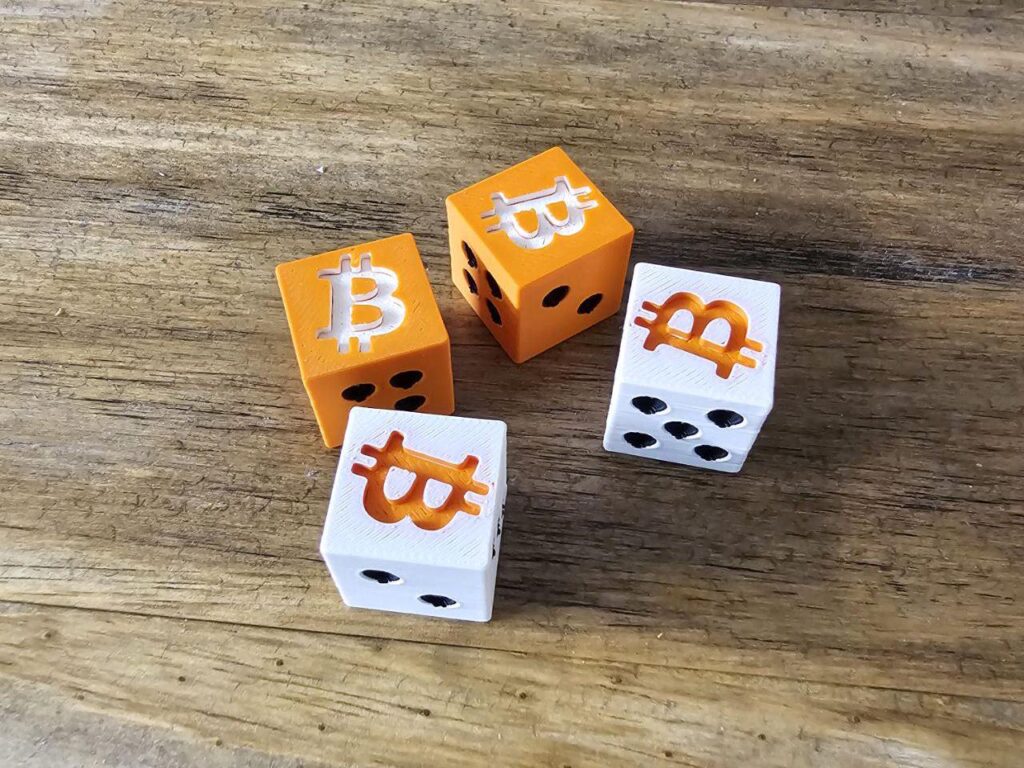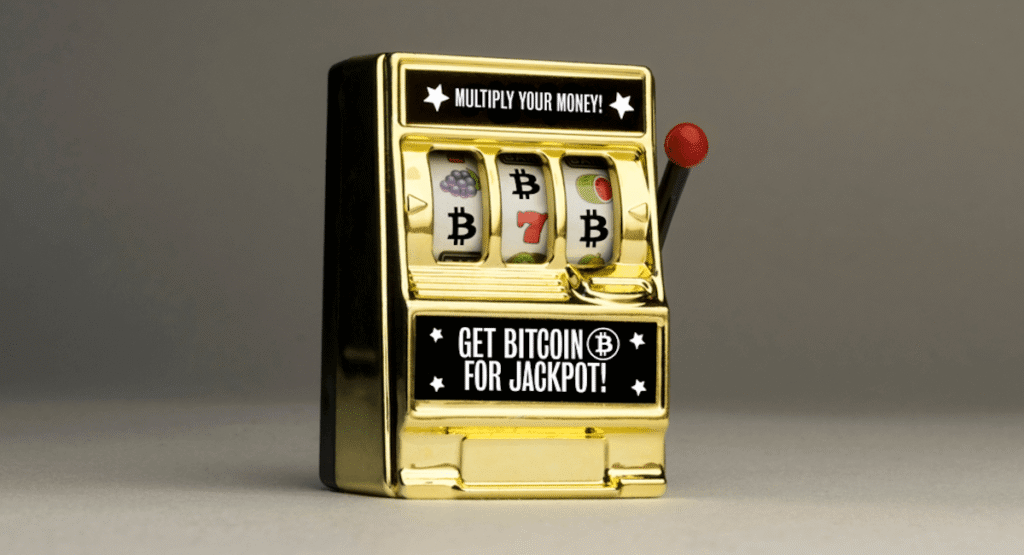
A bitcoin lottery is basically the digital version of a familiar dream: putting in a small amount and hoping it turns into something big. The difference is that instead of paper slips or physical kiosks, everything happens through crypto wallets and online platforms. It feels faster, more global, and in many cases more experimental than traditional lotteries.
But behind the modern branding, the core idea hasn’t changed much—random selection, pooled entries, and a single (or a few) winners.
Why People Even Try Lottery Bitcoin Systems
The appeal of lottery bitcoin platforms isn’t just about winning. For many users, it’s about curiosity. Crypto already feels abstract and fast-moving, so adding a game of chance fits that environment naturally.
There’s also a psychological factor: Bitcoin already has a reputation for volatility and big price swings, so people who use it sometimes feel more open to “high-risk, high-reward” experiences. A lottery built around it feels like an extension of that mindset.
Still, it’s important to separate entertainment from expectation—most participants don’t win, and that’s how every lottery works.
How Bitcoin Lottery Tickets Actually Function
When you hear about bitcoin lottery tickets, think of them as digital entries recorded in a system rather than physical slips. Each ticket represents one chance in a draw, and it’s usually tied to a wallet transaction or account ID.
Some platforms generate tickets automatically after a deposit, while others let users manually choose numbers or batches of entries. The more tickets someone holds, the higher their statistical chance—but “higher chance” is still not the same as “likely win.”
The most transparent systems try to show how winners are selected, sometimes using blockchain hashes or publicly verifiable randomness.
Deposits: The Part Most People Don’t Think About Enough
A lottery bitcoin deposit is usually simple: you send BTC to a specific wallet, and the platform credits your account with entries. The simplicity is what makes it attractive—but also what requires caution.
Unlike banks, crypto transactions are irreversible. If a platform is poorly designed or dishonest, there’s no easy way to recover funds. That’s why experienced users often look for things like audit history, public draw records, or community reputation before sending anything.
A good rule of thumb: if the system is unclear about how your deposit becomes tickets, it’s already a red flag.
The Reality Behind “Luck” in Crypto Lotteries
At the heart of any lucky bitcoin lottery is pure randomness. No strategy, timing trick, or pattern guarantees success. Even systems that use blockchain-based randomness are still designed to ensure unpredictability—not control.
What often surprises beginners is how quickly excitement fades after repeated participation without wins. That’s not a flaw in the system; it’s just how probability works when the odds are heavily stacked against frequent success.
People who enjoy it most usually treat it like entertainment spending, not a financial plan.
A More Grounded Way to Look at It
Bitcoin lotteries sit in a strange space between technology and gambling culture. On one hand, they showcase how crypto can modernize old systems. On the other, they still rely on the same basic principle: many contribute, few win.
If someone chooses to participate, the most useful mindset is clarity—knowing exactly what the deposit does, understanding how tickets are assigned, and accepting that outcomes are random by design.
In a space filled with hype, the most valuable advantage is not luck, but awareness.