The idea of combining gambling-style rewards with blockchain technology has reshaped how people think about online gaming. Instead of relying on opaque systems run by centralized casinos, players are now exploring decentralized platforms where rewards, odds, and payouts are recorded on-chain. This shift has made the concept of jackpot crypto casino especially popular among users who want both entertainment and transparency in one place.
Unlike traditional platforms, these systems often emphasize verifiable randomness and automated payouts. That means users don’t have to “trust” the operator in the same way as before. Everything from deposits to winnings can be tracked publicly, which has become a major selling point for crypto-native audiences.
How Crypto Jackpots Actually Work
At its core, a crypto jackpot is a pooled reward system funded by player activity. Every bet, entry fee, or transaction may contribute a small percentage into a growing jackpot pool. Once certain conditions are met—such as a timer ending or a winning combination appearing—the pool is distributed to a lucky winner or winners.
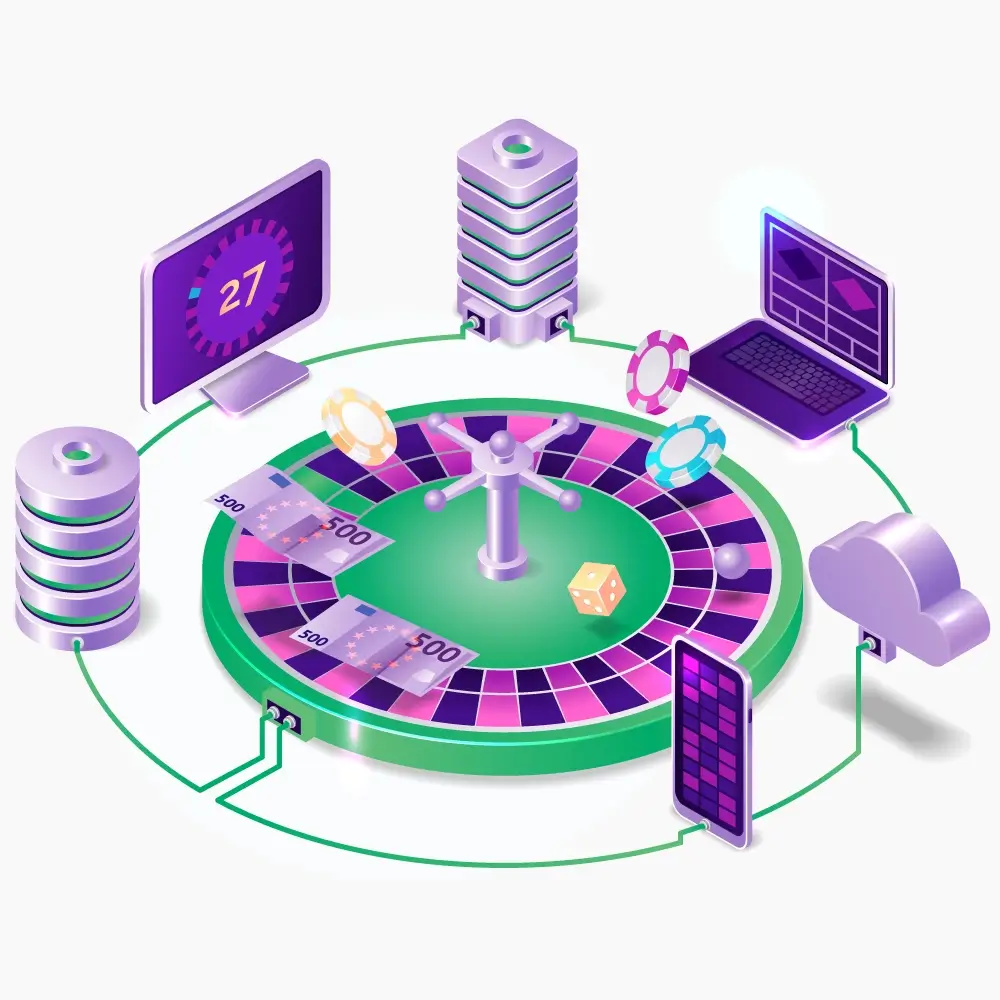
What makes this different from traditional jackpots is the infrastructure behind it. Blockchain smart contracts often handle the logic, meaning the rules are fixed and cannot be secretly changed. This gives players more confidence that outcomes are not manipulated behind the scenes.
Another important detail is speed. In many systems, payouts are nearly instant because there are no banking intermediaries involved. This is especially attractive for users who value quick access to winnings.
The Rise of Interactive Crypto Jackpot Games
Modern crypto jackpot games go beyond simple lottery mechanics. Developers are blending gaming elements like slots, mini-games, prediction markets, and even multiplayer competitions into jackpot systems.
For example, some games increase jackpot size based on global player activity, while others reward random participants during live events. This creates a more engaging experience where players feel they are part of a constantly evolving reward ecosystem rather than just spinning a wheel.
There is also a strong focus on fairness tools such as “provably fair” algorithms, which allow users to verify that each outcome was generated without manipulation. This has become a key expectation in blockchain-based gaming environments.
Understanding the Role of Jackpot Tokens
A crypto jackpot token is often the backbone of these ecosystems. It can serve multiple roles depending on the platform’s design. In some cases, it acts as the currency used for entering games. In others, it is a reward asset distributed to winners or active participants.
Some systems also use tokens for staking mechanisms. By locking tokens into a platform, users may gain increased chances of winning or access to exclusive jackpot tiers. This introduces a layer of strategy, where participation is not just about luck but also about long-term engagement with the ecosystem.
However, it’s important to understand that token value can fluctuate significantly. Because many of these assets are traded on open markets, their price is influenced by demand, platform popularity, and overall crypto market conditions.
Why Jackpot Crypto Is Growing So Fast
The broader concept of jackpot crypto reflects more than just gaming—it represents a shift in how digital rewards systems are designed. Users are increasingly interested in platforms that are global, borderless, and transparent.
Several factors are driving this growth:
- Faster transactions compared to traditional banking systems
- Lower barriers to entry for international users
- Transparent reward mechanisms through blockchain records
- Innovative gameplay models that combine finance and entertainment
At the same time, the industry is still evolving. Regulations vary widely across countries, and not all platforms operate with the same level of security or fairness. Because of this, users are encouraged to research carefully before participating in any blockchain-based jackpot system.
Final Thoughts
Jackpot-style gaming powered by blockchain is still in its early stages, but it already shows how digital entertainment can evolve when financial systems and gaming mechanics merge. Whether through tokens, smart contracts, or decentralized reward pools, the ecosystem continues to experiment with new ways to make jackpots more transparent, engaging, and globally accessible.